
The United States will impose what Treasury Secretary Scott Bessent called “the toughest sanctions in history” on Iran, escalating Washington’s economic campaign as efforts to end the nearly six-month-old conflict remain stalled.
Bessent said the new measures, details of which he promised to announce at a news conference Monday, could reduce the likelihood of renewed large-scale military operations against Tehran.
“If we are doing the maximum economic pressure, then that means that likely there will not be a large-scale kinetic restart,” Bessent told CNBC. He described the strategy as a “one-two punch” combining a U.S. naval blockade with sweeping sanctions intended to isolate Iran’s economy.reuters+1
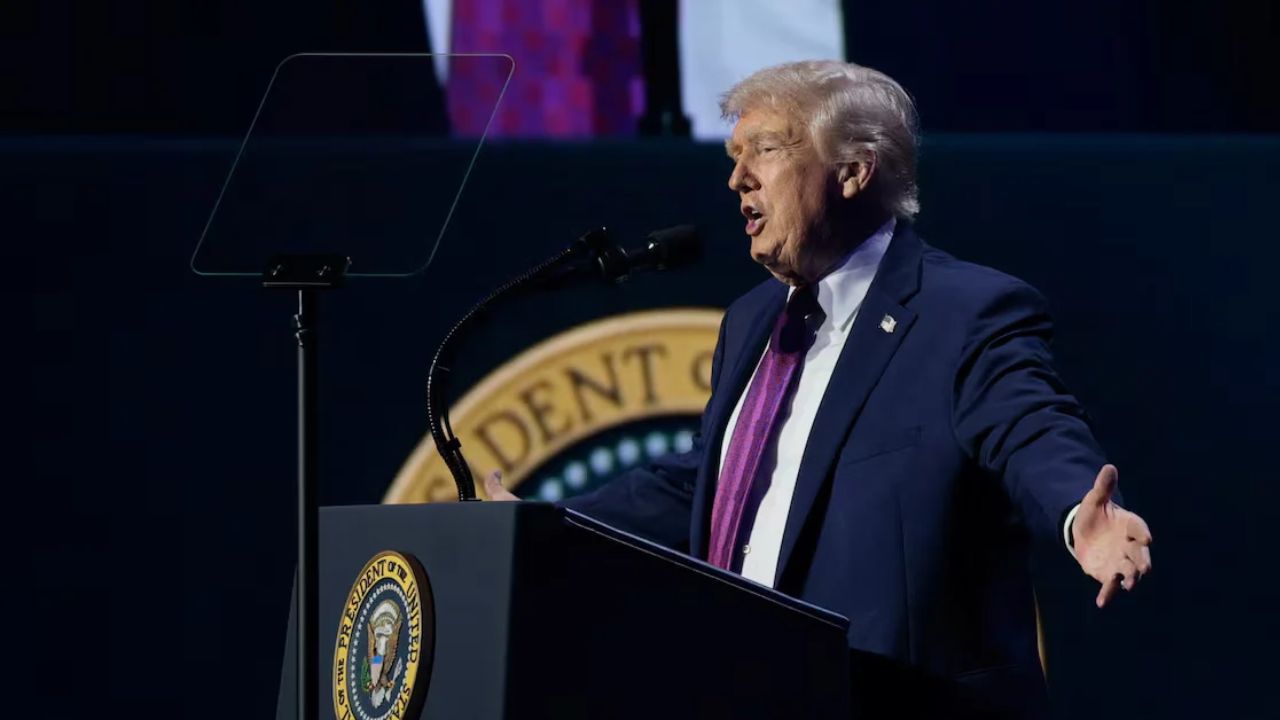
The announcement followed President Donald Trump’s warning that Washington would launch “economic warfare” against Iran and impose severe financial penalties on any country, company or institution that provided Tehran with “any type of lifeline.” Trump did not specify which countries or sectors would be targeted.
Oil and shipping markets react
Oil prices rose to a more than three-week high on Thursday as investors assessed the risk that the U.S. measures could further disrupt energy supplies and shipping through the Strait of Hormuz.
The waterway, which Iran has sought to restrict during the conflict, carried roughly one-fifth of globally traded oil before the war. The disruption has stranded millions of barrels of Middle Eastern crude and contributed to higher fuel and shipping costs.
The United States and Iran have twice announced ceasefire agreements, in April and June, aimed at restoring commercial traffic through the strait and creating a path toward a broader settlement. Both agreements quickly collapsed.
The scale and scope of the proposed sanctions remain unclear. Possible measures could include broader restrictions on Iranian oil exports, shipping and financial transactions, as well as secondary sanctions against foreign banks, companies or governments that continue doing business with Tehran.
The threats also carry risks for Washington. Targeting China could provoke retaliation against U.S. interests and disrupt trade in strategically important goods, including rare-earth minerals. Analysts have also warned that Iran’s long history of sanctions may make further economic pressure more likely to trigger escalation than capitulation.
Trump’s previous social-media announcements have not always been implemented exactly as written, leaving governments and markets waiting for the Treasury Department’s detailed plan on Monday.